How Light Defines a Room
A room without considered light is only a box. On the quiet relationship between daylight, orientation and the felt quality of the spaces we live in.
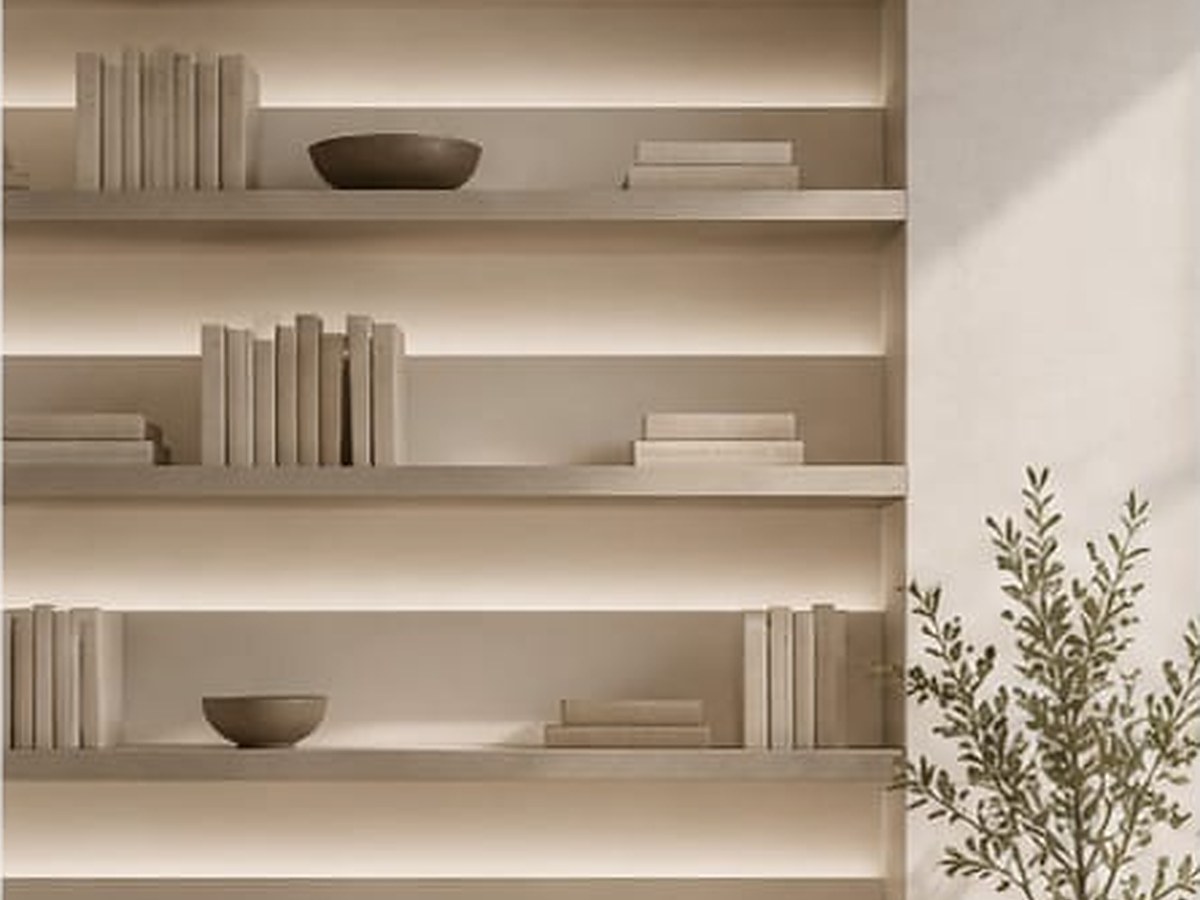
You can change everything about a room — its furniture, its colour, its proportions — and it will remain, in some essential way, the same room. Change the light, and it becomes somewhere else entirely. Light is the one material an architect works with that has no weight, no cost and no substance, and yet it does more than any other to determine whether a space feels alive or inert.
Orientation Is Everything
Long before a single wall is drawn, the most important decision has often already been made: which way the building faces. A room that receives the low, warm light of morning asks to be a kitchen; one that holds the soft, even light of the north asks to be a place of work or contemplation. Get orientation right and the architecture almost designs itself. Get it wrong and no amount of glazing will rescue it.
This is why we begin so many projects by simply watching the site. Where does the sun rise and set across the seasons? Where do the long shadows fall? A space designed in dialogue with these movements feels effortless to inhabit, because it is quietly synchronised with the day.
Light is the one material an architect works with that has no weight, no cost and no substance — and yet it does more than any other to make a room feel alive.
Quality, Not Quantity
The instinct to add more windows is understandable and usually mistaken. A room flooded with undifferentiated light is as lifeless as one starved of it. What gives a space depth is contrast — the interplay of a bright surface against a shadowed one, a single well-placed opening that draws the eye, a wall that catches the last of the evening sun while the rest of the room falls quietly into dusk.
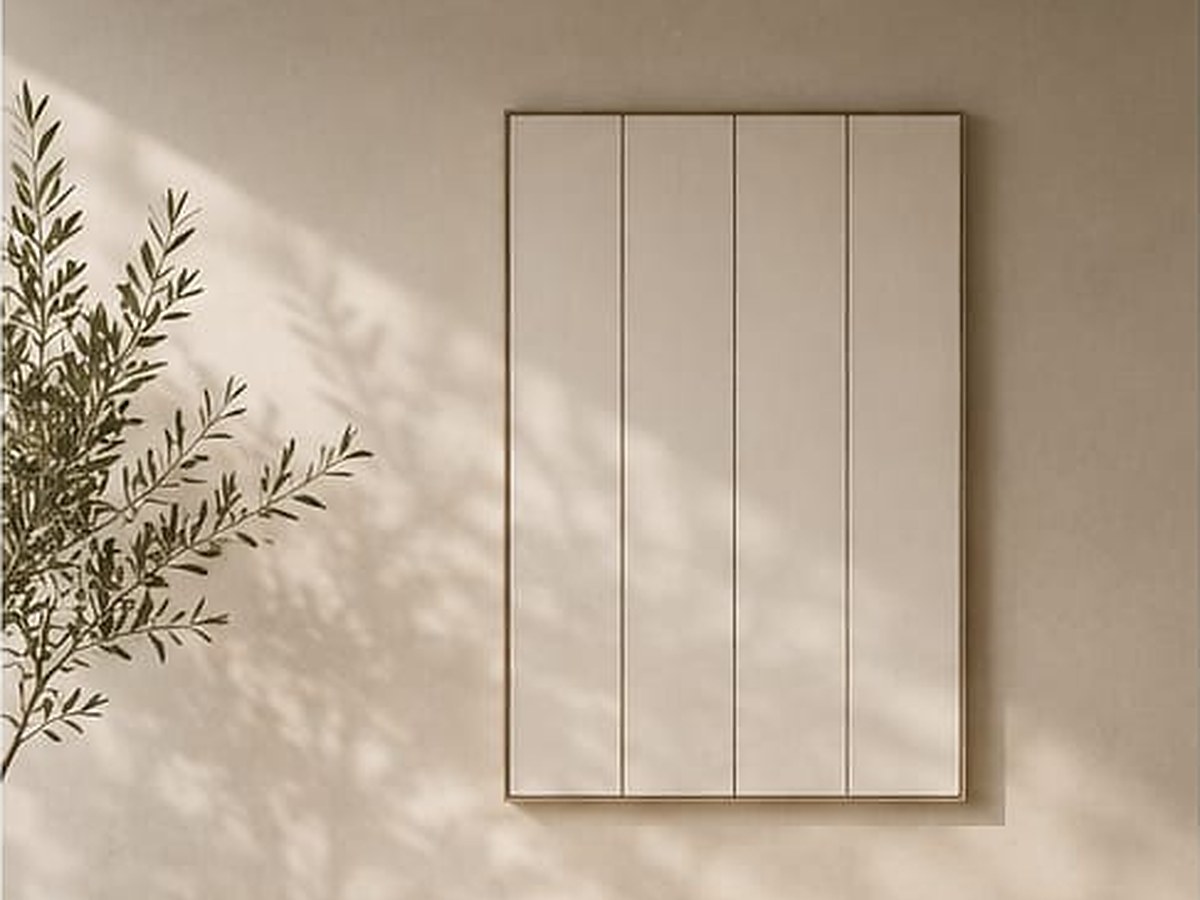
A high window can wash a plastered wall in soft, even light; a low one can throw a long rectangle across the floor at a particular hour and nowhere else. These are not accidents. They are composed, as carefully as a musician composes silence, because it is the darkness between that lets the light mean something.
Living With the Seasons
The best-lit rooms are never static. They shift through the day and across the year, so that the same space offers a crisp winter brightness and a deep summer calm. To design for light is to accept that a room is never finished — it is completed, and re-completed, every hour by the sky. That impermanence is not a flaw to be corrected. It is the whole point.
In Closing
When people describe a room they love, they rarely mention its dimensions. They talk about how the morning came in, how it felt at dusk, the way a particular corner glowed on an autumn afternoon. They are describing light. Master it, and you have given a space the one quality that furnishings can never supply and that no occupant ever forgets.