Material Truth in Contemporary Housing
The case for honest materials — why buildings age better, feel calmer and cost less over a lifetime when we stop asking one surface to imitate another.
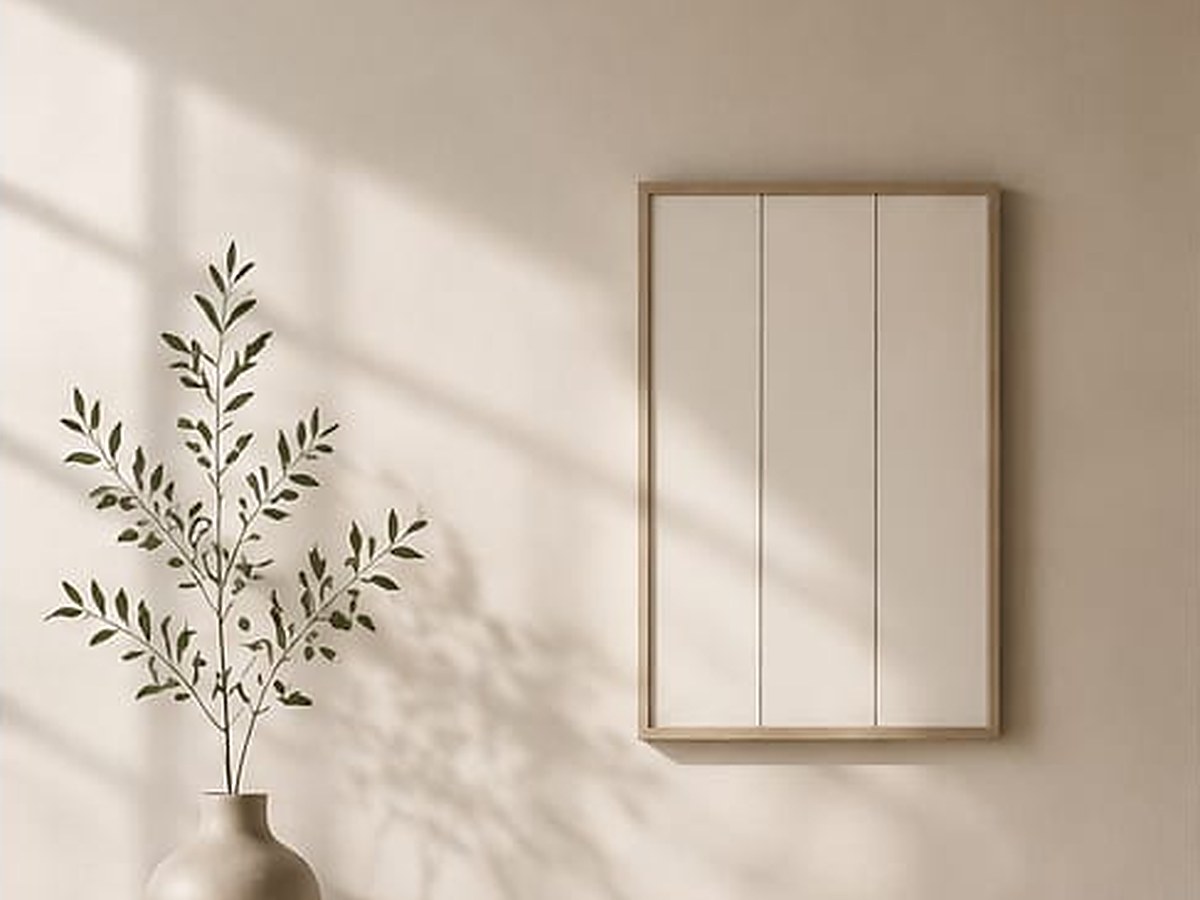
Walk through most new housing and you will find surfaces pretending to be other surfaces: laminate imitating oak, render scored to resemble stone, thin panels printed with the grain of timber they never were. Each imitation is a small untruth, and while any one of them is harmless, together they produce buildings that feel subtly, persistently wrong — spaces that photograph well and age badly.
What We Mean by Honesty
Material honesty is a simple idea with deep consequences: let a material be what it is. Let brick read as brick, timber weather as timber, concrete carry the marks of the formwork that shaped it. This is not an aesthetic preference dressed up as a principle. Honest materials behave predictably over time, are easier to repair, and develop a patina rather than a list of defects.
The alternative — the composite, the imitation, the sealed and printed surface — often looks flawless on the day of completion and has nowhere to go but downhill. A scratch in real oak is part of its life. A scratch in a photograph of oak is simply damage.
A scratch in real oak is part of its life. A scratch in a photograph of oak is simply damage.
The Economics of Ageing Well
There is a persistent myth that honest materials are a luxury. Over the lifetime of a building the opposite is usually true. A solid material that can be sanded, repointed, re-oiled or simply left to weather will outlast several cycles of the cheaper surface that must be torn out and replaced the moment it fails. Cost, measured honestly, includes the second and third replacement — and the waste they generate.
Housing, more than any other building type, is where this matters most, because housing must endure daily life for decades. The materials people touch every day — a handrail, a worktop, a threshold — are precisely the ones that reward honesty and punish imitation. We choose them as though someone will run their hand along them for thirty years, because someone will.
A Restrained Palette
Honesty does not mean austerity. A limited palette of genuine materials — lime plaster, oak, honed stone, unlacquered brass — produces a richness that no printed surface can approach, precisely because each material contributes its own real texture, weight and way of catching light. Restraint here is generosity: fewer materials, more deeply considered.
In Closing
To build honestly is to make a quiet promise to the future occupant: what you see is what is here, and it will grow older gracefully alongside you. In an age of surfaces, that promise is rarer — and more valuable — than ever. The most contemporary thing a house can do, it turns out, is simply tell the truth about what it is made of.