The Case for Landscape-Led Design
Why the most enduring buildings are those designed in intimate dialogue with their landscape — from the very first sketch, not as a late act of decoration.
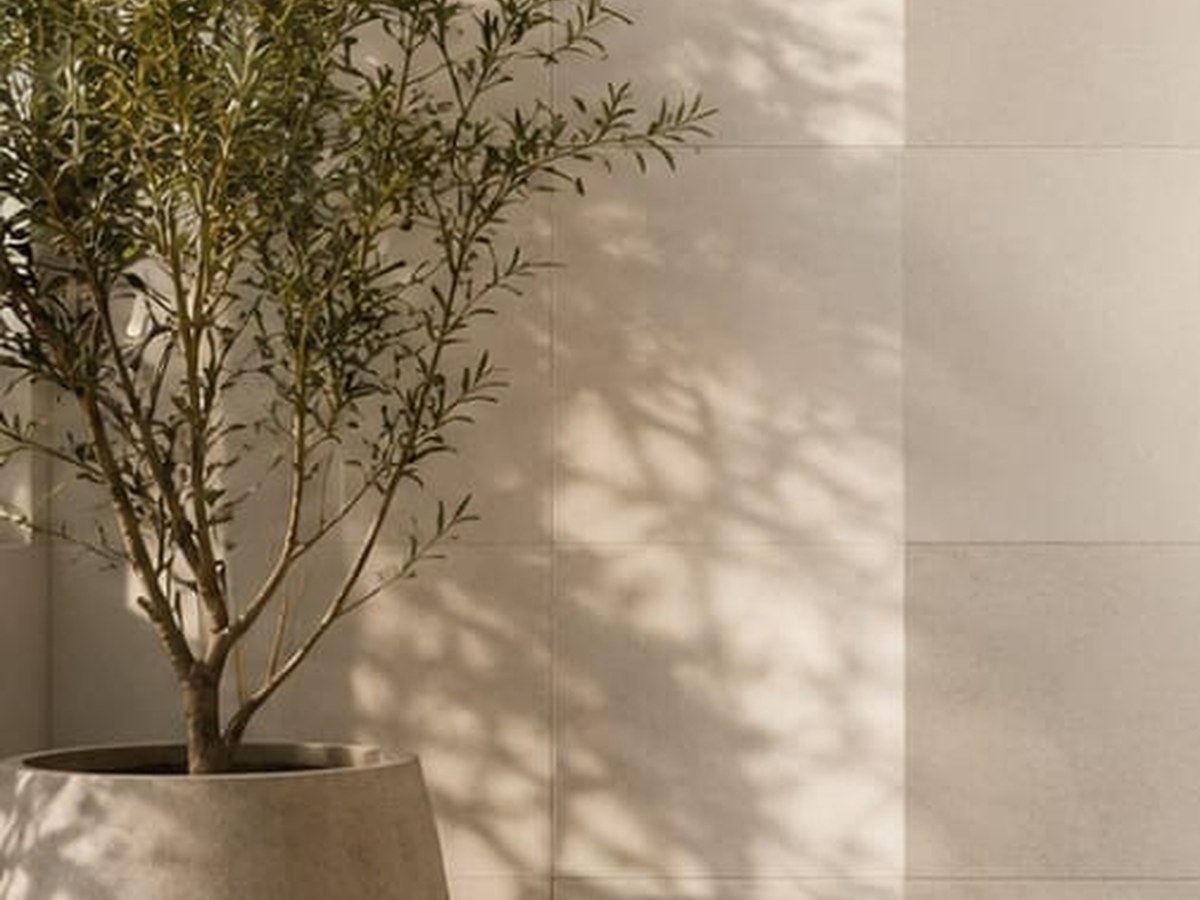
In most projects the landscape arrives last. The building is resolved, the budget is spent, and what remains of the site is planted with whatever will survive. It is an entirely understandable sequence and an entirely wrong one. The buildings that age best — the ones that seem to have always been where they stand — were almost never designed this way. Their landscape was there from the first line.
The Site Speaks First
Every site arrives with an argument already in progress: a fall in the ground, a hedgerow, a prevailing wind, a single mature tree that has organised the plot for eighty years. Landscape-led design begins by listening to that argument rather than flattening it. Where does water want to go? Where is it sheltered? Which view is worth spending a window on, and which is better withheld until you turn a corner?
Answering those questions before the plan is fixed almost always produces a better building — and, very often, a cheaper one. Working with the topography rather than against it removes retaining walls, reduces excavation and shortens drainage runs. Good landscape thinking is not an aesthetic luxury; it is a form of economy.
The buildings that seem to have always been where they stand were rarely designed first and planted afterwards.
Threshold, Not Boundary
The most valuable part of many houses is the few metres either side of the external wall. A deep reveal, a covered terrace, a low garden wall that continues the line of the building — these thresholds do the quiet work of making a house feel larger and a garden feel inhabited. Treat the wall as a hard boundary and both sides are diminished.
We spend a disproportionate amount of time on these edges, because they are where architecture and landscape either agree with one another or fail to. Materials that run from inside to out, floor levels that continue without a step, a soffit that extends past the glass: small decisions, enormous effect.
Designing for the Long View
A building is at its best on the day it is handed over; a landscape is at its worst. Accepting that inversion changes how you draw. Plant for the tenth year, not the first. Choose species that will hold the composition when they have doubled in size, and resist the urge to fill every gap on day one. The patience this demands is the same patience that good architecture rewards.
In Closing
Landscape-led does not mean landscape-dominated. It means refusing to treat the ground as a leftover. When the two disciplines are drawn together from the beginning, the result is not a building in a garden but a single, coherent place — and places, unlike buildings, do not go out of date.